
Smart Homes and Smarter Openings: The Rise of Automated Doors and Windows

April 10, 2025
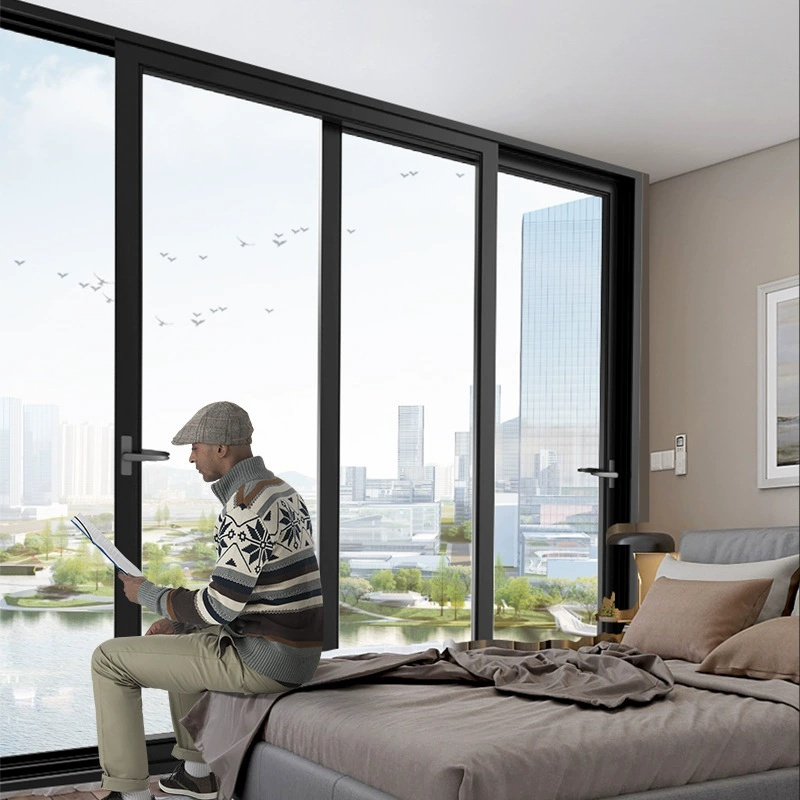
The future of living is evolving rapidly, with technology continuously reshaping the way we interact with our homes. Smart homes, which integrate various devices to create an automated, efficient, and convenient living space, are increasingly becoming mainstream. One of the most exciting developments in this arena is the rise of automated doors and windows. These smart openings are making homes not only more secure and energy-efficient but also adding a level of luxury and convenience previously reserved for the future.
The Emergence of Smart Openings
Smart openings refer to doors and windows that can be controlled remotely, either via an app, voice commands, or automated systems. These systems are connected to a central hub, which communicates with the homeowner’s smartphone, tablet, or smart speakers like Amazon Alexa or Google Assistant. The concept of automating doors and windows is not entirely new, but recent advancements in technology and consumer demand for enhanced home automation have fueled their growth.
Automated doors and windows are equipped with sensors, motors, and intelligent software that allow them to operate seamlessly with other smart devices. For instance, windows can open and close based on the temperature and humidity levels inside the home, ensuring optimal air circulation and reducing reliance on air conditioning or heating systems. Similarly, doors can be locked or unlocked remotely, improving both security and convenience.
Convenience and Efficiency
One of the main benefits of automated doors and windows is convenience. Imagine arriving home with your arms full of groceries and having the front door automatically unlock as you approach. Or consider being able to open a window from your phone when you’re upstairs, without having to go downstairs to adjust it manually. These features add a layer of ease to everyday tasks, allowing homeowners to focus on more important aspects of their lives.
Beyond convenience, automated openings contribute to energy efficiency. Many systems are designed to help regulate indoor temperature. For example, windows that automatically open when the inside temperature rises above a set threshold help to cool the home naturally, reducing the need for air conditioning. Conversely, windows might close automatically when the temperature drops, preventing heat loss and optimizing insulation. Such features not only contribute to a more comfortable living environment but also help reduce energy consumption and utility bills.
Enhanced Security
Security is a critical consideration in any smart home, and automated doors and windows are playing a pivotal role in improving safety. Smart doors can be integrated with advanced security systems, such as biometric recognition or facial recognition, ensuring that only authorized individuals can enter the home. Additionally, many smart locks offer features like keyless entry and activity logs, allowing homeowners to monitor who enters and exits their home and at what times.
Windows, too, contribute to home security by being equipped with sensors that can detect break-ins or tampering. These sensors can trigger alerts to the homeowner’s smartphone, allowing them to take immediate action if an intrusion is detected. Furthermore, the ability to remotely lock or unlock windows and doors offers peace of mind, especially when away from home.
The Future of Smart Openings
As smart home technology continues to advance, we can expect even more innovation in the realm of automated Tilt & Slide Window . Future systems may use artificial intelligence to anticipate and respond to the homeowner's needs, such as adjusting the position of windows based on the weather forecast or unlocking doors when the homeowner is detected nearby. Additionally, advancements in materials and energy efficiency could lead to even smarter and more sustainable options for doors and windows.
In conclusion, the rise of automated doors and windows is one of the most exciting trends in the smart home revolution. These innovations provide increased convenience, energy efficiency, and enhanced security, transforming homes into more intelligent, sustainable, and comfortable living spaces. As technology continues to evolve, the possibilities for smarter openings are endless, and the future of home automation looks more promising than ever.